
Collective self-consumption: the energy model of tomorrow?
A great commitment to the energy transition, collective self-consumption allows you to reduce your impact on the environment!
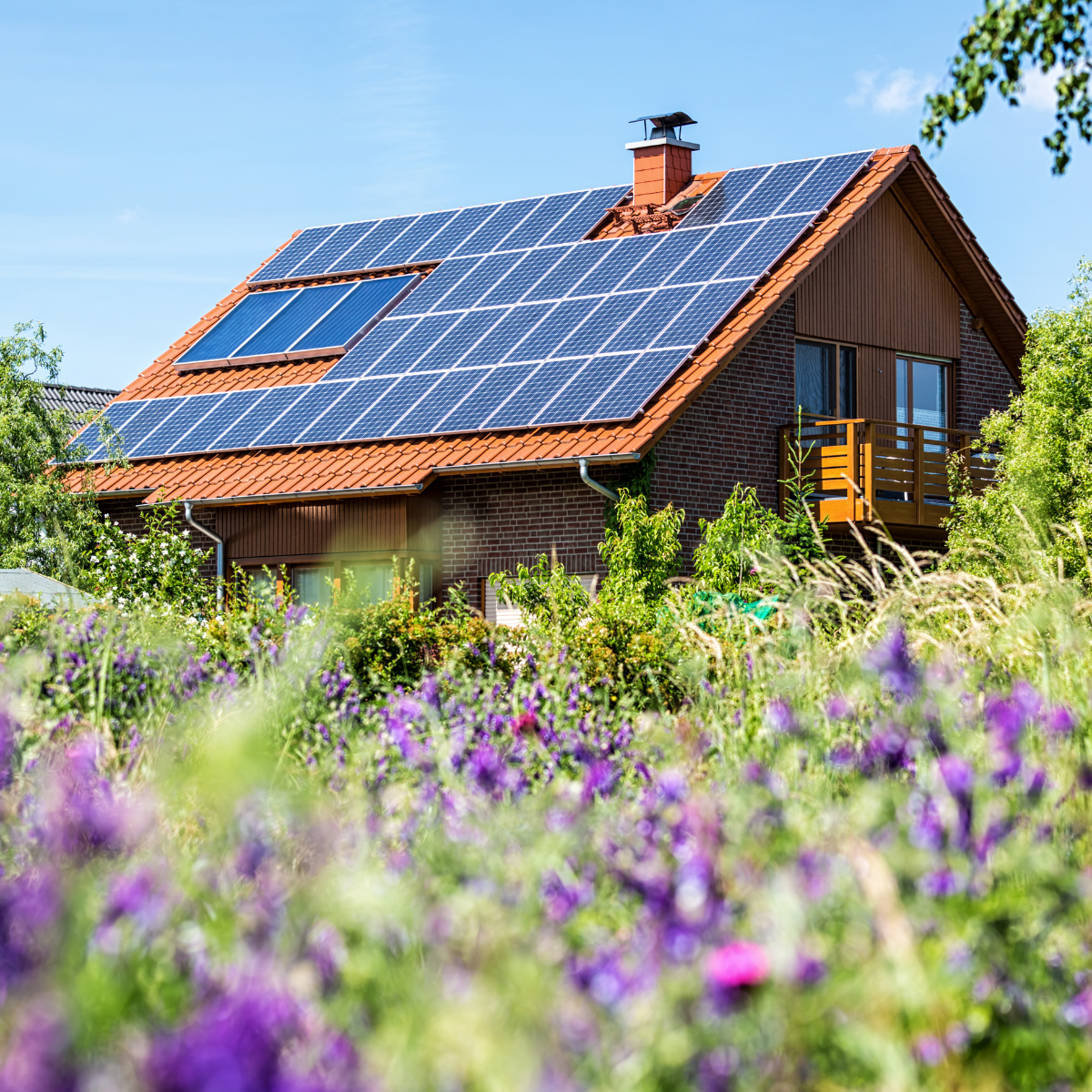
Are you familiar with the concept of collective self-consumption? You may have already heard about it in conversation or on television. It involves producing and consuming your own electricity generated from renewable energy (RE, most often from photovoltaic solar energy), but also sharing it locally. A great commitment to the energy transition, collective self-consumption allows you to reduce your impact on the environment! So, shall we think about it?
Want to delve deeper into the subject? Check out our article: What's the status of renewable energy supply in France?
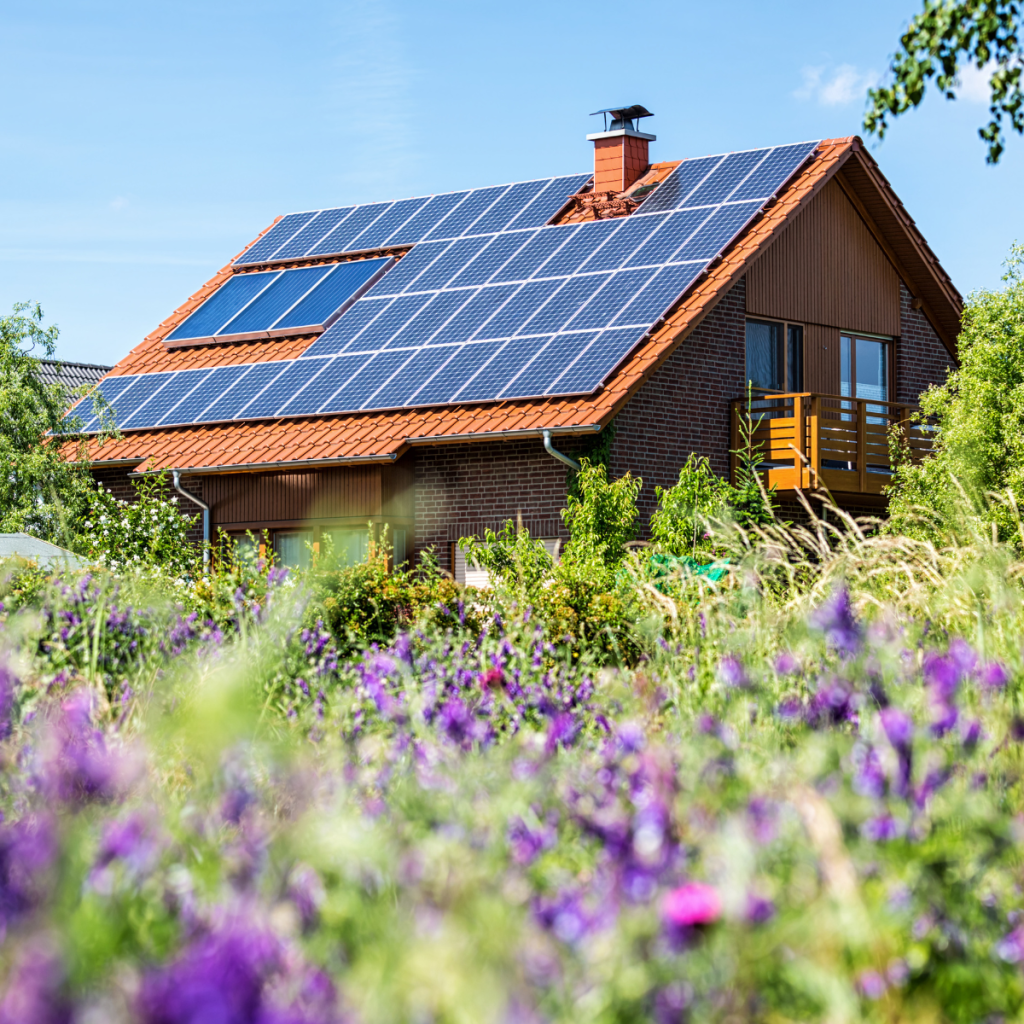
Collective self-consumption, what is it?
Are you familiar with the principle of self-consumption? Perhaps you've already heard of so-called "individual" self-consumption? It is defined by consuming part or all of the electricity that one produces oneself on the same site. This practice aims to maximize the local use of the energy produced, particularly from renewable sources such as that generated by solar panels.
A sustainable economic and ecological model, the principle of self-consumption is now being applied at the collective level. What's changing? Collective self-consumption consists of injecting the electricity produced into the public distribution network in order to be shared with several people located, for example, in the same building, in neighboring condominiums, or in a nearby business park. Current regulations allow any individual or legal entity located near a renewable electricity production facility (within a radius of 2 km in urban areas and 10 km in rural areas) to consume the energy produced through the conclusion of a supplier/buyer over-the-counter contract. The price of electricity, the quantity of kWh, as well as the duration of the contract are at the discretion of both parties, thus offering them complete freedom.
Often of photovoltaic origin, the principle of collective self-consumption can also be adapted to other renewable energies such as wind or hydroelectric.
🌞 Solar self-consumption
– 58% of photovoltaic installations are used for individual self-consumption in France.
– +71% increase in the number of photovoltaic installations for individual self-consumption in France.
What are the types of collective self-consumption operations?
On the one hand, the “centralized” model refers to a concept where a single entity is simultaneously the producer, consumer, and legal entity organizing the collective self-consumption operation.
An example? A community has a photovoltaic power plant installed on the roof of the gymnasium and uses the electricity produced to power the primary school and the town hall, both located within a 2 km radius of the gymnasium.
On the other hand, the “open to third parties” model refers to a process where there are several producers and consumers, who may be of different types, who together organize the sharing of electricity between them.
An example? In a residential area made up of detached houses and small buildings, several households have installed solar panels on their roofs. They choose to resell part of the energy produced to other residents of the neighborhood, whether they live in buildings or villas.
What taxes apply to collective self-consumption?
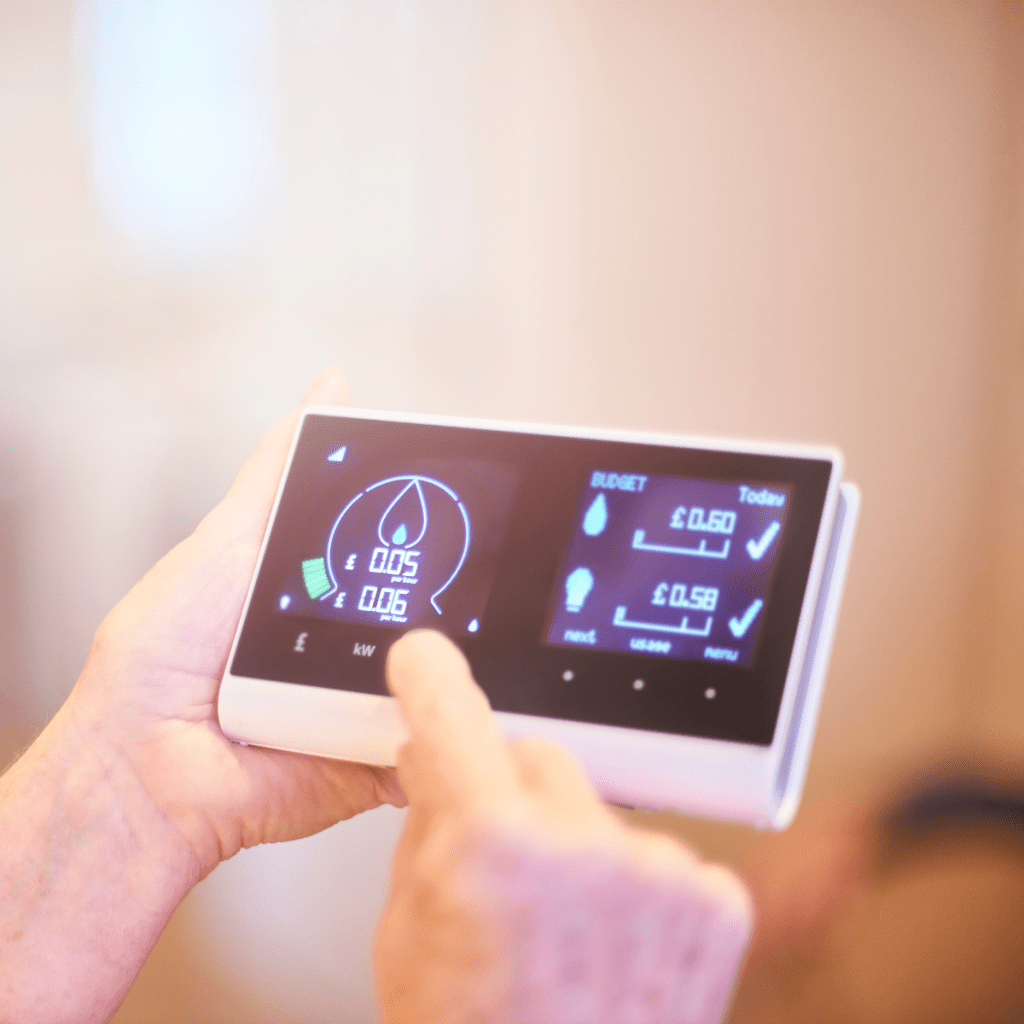
Of course, self-consumption is governed by a regulatory framework. Particularly taxes that apply to self-consumed kWh.
- The TURPE (network usage tariff) is intended to ensure adequate coverage of the costs incurred by electricity network managers.
- The TICFE (domestic tax on final electricity consumption) and the TCFE (domestic tax on final electricity consumption) are contributions proportional to network consumption.
- The VAT (value added tax), for its part, is applicable to collective self-consumption, but not to individual self-consumption.
Good to know
Please note that small electricity producers benefit from administrative simplification. What does this mean? This allows them to avoid paying excise duty on electricity produced and fully self-consumed.
Article L. 312-17 of the CIBS
Collective self-consumption in France
💡 Self-consumption in France
– France now has 387,000 installations for total or partial self-consumption. RTE (the French electricity transmission network operator) is targeting a potential of 4 million self-consumers by 2030!
– Haute-Garonne (23,033 installations), Gironde (20,037 installations) and Hérault (18,752 installations) are the departments with the highest number of individual self-consumption installations in France.
Still relatively uncommon in France, collective self-consumption is nevertheless an ecological mode of production and consumption! Since the law on the energy transition (2015) and the Pacte law (2019), self-consumption has benefited from a more flexible regulatory framework to make projects more flexible. So what are the benefits for you? In addition to supporting the energy transition, you are promoting your independence and that of the region where you live in terms of energy autonomy. From a financial perspective, you will also see your bills decrease, because you benefit from cheaper electricity than that supplied by the national grid (lower base price, fewer taxes, and very low distribution costs).
📱 The essential application
Enerfip recommends the Hellowatt application to manage and control the energy aspect of your home. Simple, efficient, and accessible, this solution makes it easy to monitor your electricity consumption in real time and in detail. Additionally, you'll also benefit from advice on optimizing your energy performance, as well as promotional offers to obtain quotes for your renovation work.
While promising, collective self-consumption still faces some challenges, such as the initial investment required to install photovoltaic panels, for example. Even though government subsidies exist for installations carried out by individuals, the financial outlay can be substantial. So, if you want to do something for the planet without investing considerable sums, Enerfip has made responsible investment more accessible. What does that mean? On our crowdfunding platform dedicated to renewable energies, you can invest in the energy transition, directly in renewable energy production, energy efficiency, or sustainable mobility projects, starting from €10. So, what are you waiting for? Make an appointment with the Investor Relations department on


Our latest articles
.jpg)

.jpg)
.jpg)
Investor Relations
Please feel free to contact Enerfip's Investor Relations Department for assistance with your applications.


Lorem ipsum dolor sit amet, consectetur adipiscing elit. Suspendisse varius enim in eros elementum tristique. Duis cursus, mi quis viverra ornare, eros dolor interdum nulla, ut commodo diam libero vitae erat. Aenean faucibus nibh et justo cursus id rutrum lorem imperdiet. Nunc ut sem vitae risus tristique posuere.
Lorem ipsum dolor sit amet, consectetur adipiscing elit. Suspendisse varius enim in eros elementum tristique. Duis cursus, mi quis viverra ornare, eros dolor interdum nulla, ut commodo diam libero vitae erat. Aenean faucibus nibh et justo cursus id rutrum lorem imperdiet. Nunc ut sem vitae risus tristique posuere.