Invest in a hydropower plant
France offers ideal conditions for hydropower, which is the country’s second-largest source of electricity and its leading source of renewable energy. Across the European Union, hydropower now accounts for over 40% of renewable electricity production. It is therefore a stable and essential energy source for our development.Choosing to invest in a hydropower plant means taking part in tomorrow’s great challenges while making a sustainable investment.
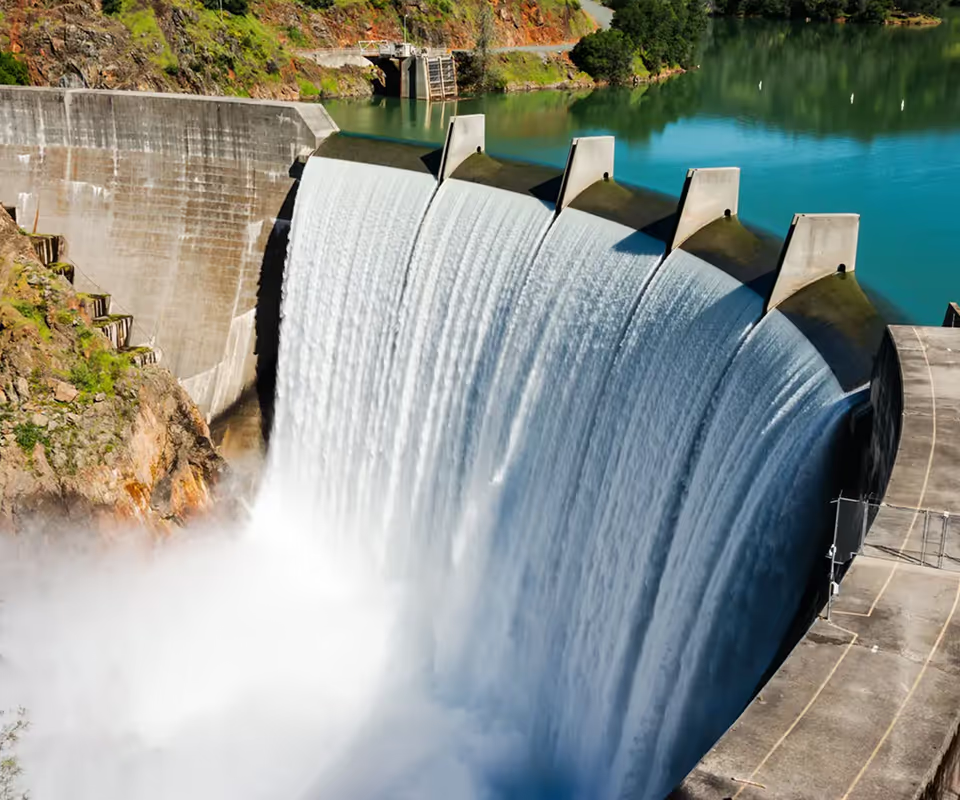
Our hydropower projects
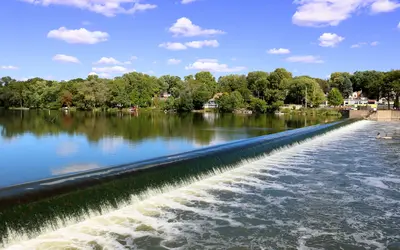





What are the benefits of hydropower?
Make your first crowdfunding investment in hydropower with Enerfip.
What is hydropower?
- Hydroelectric energy is a form of renewable energy generated by harnessing the kinetic force of moving water. As water flows, it transfers mass and produces mechanical energy, which can then be converted into electricity.
- A hydroelectric plant applies this principle by using turbines connected to generators that transform the mechanical energy of water into clean electricity. Various types of installations harness hydropower — such as dams, mills, and micro power plants.
Reliable, stable, and well-controlled production
- Human expertise in hydropower ensures efficiency and safety, with relatively low operating costs.
- Hydroelectric plants can deliver a steady and continuous electricity supply, as water flow can be adjusted to meet demand.
A responsible investment contributing to the energy transition
- Energy produced from moving water — like solar and wind power — is a clean, renewable source. Representing about 16% of global electricity production, hydropower plays a key role in shaping the world’s evolving energy mix.
- By investing in the construction of a hydroelectric plant, you’re making a reliable renewable energy investment — and above all, taking direct action for the climate and a sustainable future.
An attractive investment opportunity — why?
- Hydropower investment allows you to diversify your portfolio with a sustainable and profitable asset.
- Hydropower projects are offered as simple bonds, typically providing a gross return of 7% to 9.5% per year over an average duration of three years.
- Give purpose to your savings while enjoying attractive returns.
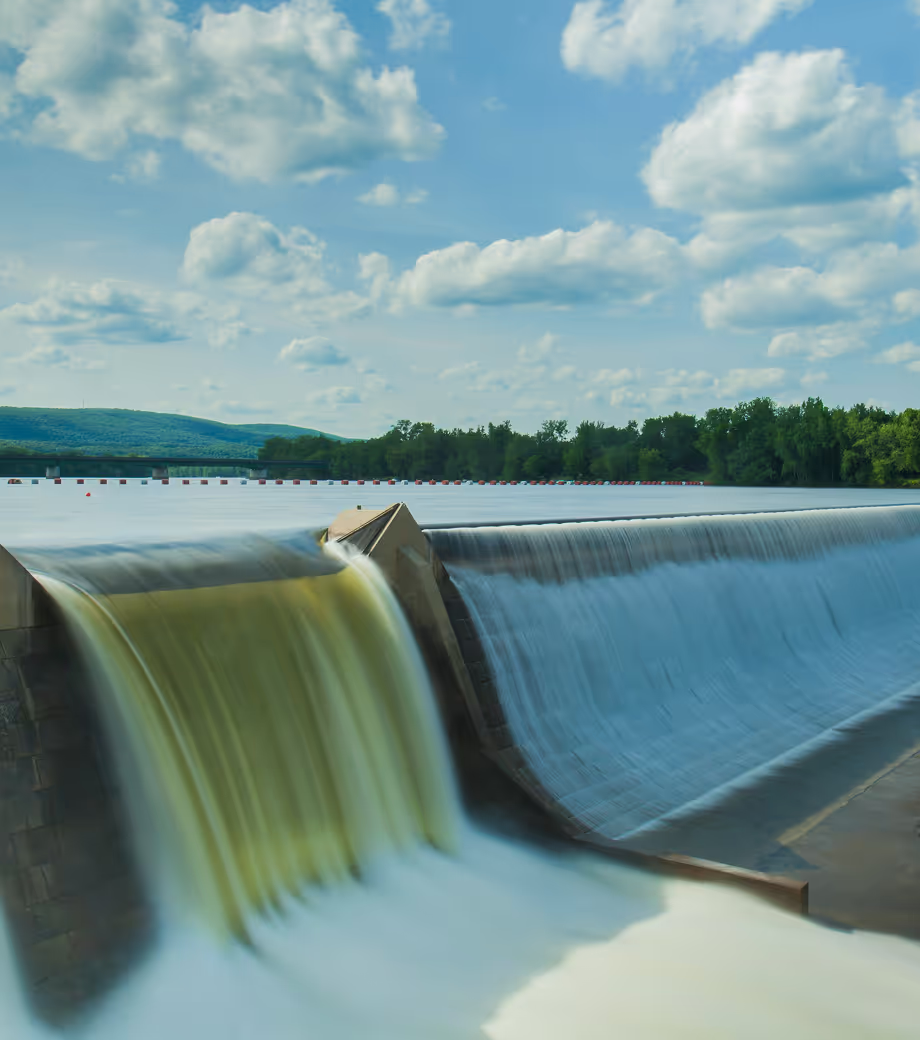
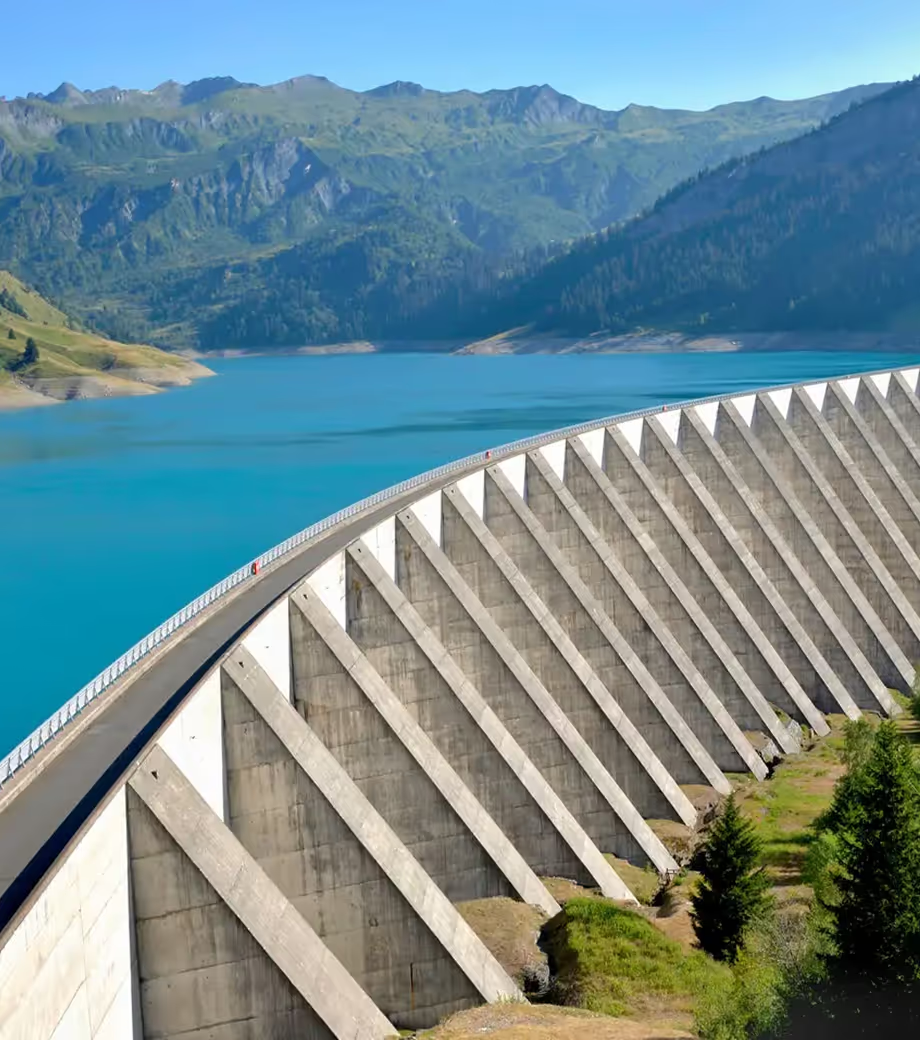
Invest in a hydropower project with Enerfip — your crowdfunding platform
Would you like to invest in a hydropower plant or even diversify across multiple renewable energy projects? Enerfip is the solution! Our crowdfunding platform, dedicated to the energy transition, has been supporting all types of investors — even beginners — for over 10 years, helping them manage their investments responsibly and efficiently.
So, what does Enerfip offer you in concrete terms? Carefully selected green investment opportunities, reviewed by a committee of experts and analysts — allowing you to choose and invest directly in reliable projects that align with your values. With Enerfip, everyone can contribute to a decarbonized world while earning solid returns.
To support you in your investment journey — whether in hydropower or other renewable energies — our Investor Relations team is available to answer any questions you may have.

Good to know
In terms of installed capacity, hydropower represents about 60% of global renewable energy production — making it a cornerstone in meeting the world’s electricity demand.
Frequently Asked Questions
You can also visit our online Help Center for more information.
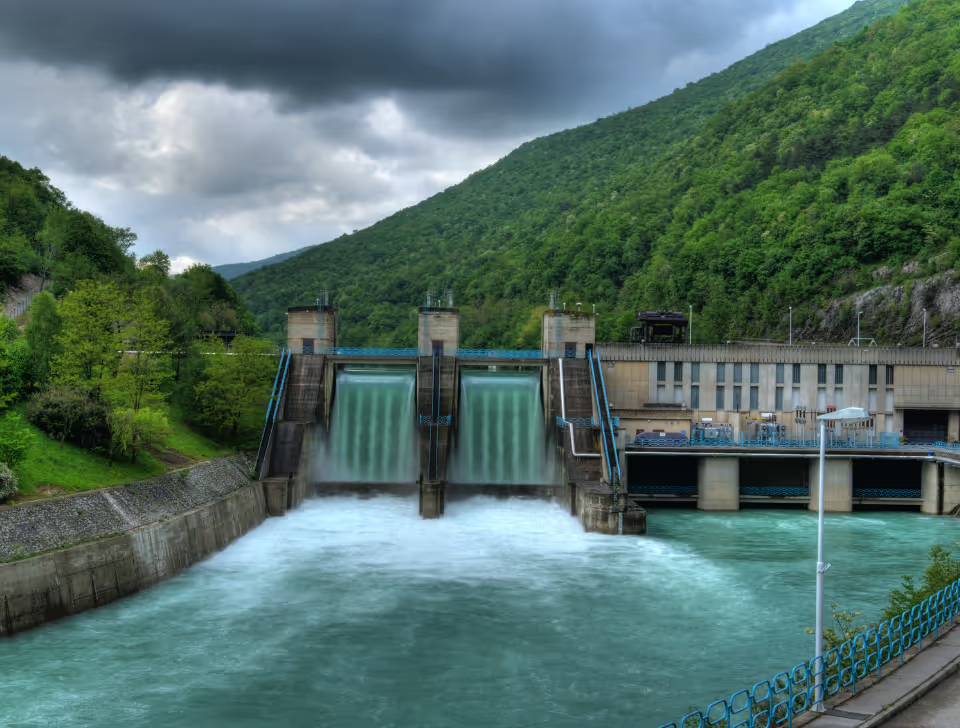

This form of energy is produced by harnessing the movement of water — whether natural or controlled. As water flows, it transfers mass and generates mechanical energy, which can then be converted into electricity.
Hydropower is considered a green or clean energy source. What does that mean? It comes from resources whose use produces little to no harmful effects on the environment or human health. Since it relies on natural resources that are constantly renewed and never depleted, it is classified as renewable energy.
Investing in hydropower allows you to benefit from:
- A growing market
- Attractive returns
- Optimal diversification of your investment portfolio
- A clear commitment to a greener future
- A positive environmental impact in the fight against climate change
Other available technologies
Energy storage investment finances infrastructure designed to store electricity — particularly from renewable sources — for later use. Lithium-ion batteries, pumped storage or thermal solutions: these projects play a key role in grid stability and are essential to accelerating the energy transition.

Enerfip is a platform approved by the French Financial Markets Authority (AMF) as a European Crowdfunding Service Provider under registration No. FP-20222.

Enerfip is regulated by the Prudential Supervision and Resolution Authority (ACPR).