Enerfip helps you make your first crowdfunding investment in bioenergy!
Bioenergy — particularly through processes like methanation — lies at the heart of the energy transition in France and across Europe. Representing a growing share of the renewable energy mix, bioenergy offers a sustainable solution for managing organic waste while contributing to green energy production. It plays a key role in achieving the objectives set out in the Multiannual Energy Plan (PPE).
Investing in a bioenergy project means choosing an investment that is both profitable and meaningful. Enerfip sheds light on how crowdfunding can help drive the growth of bioenergy!

Our ongoing projects
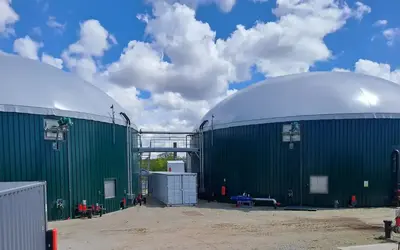

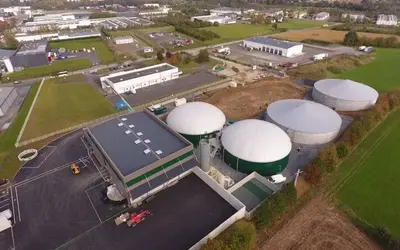
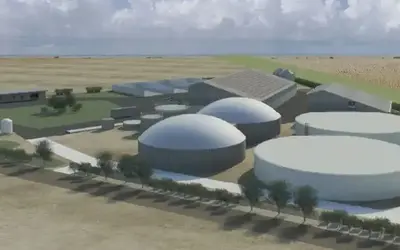
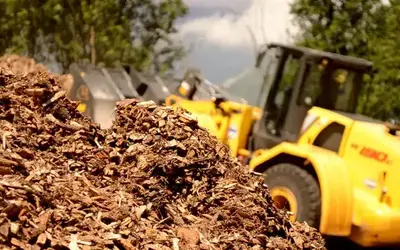
What are the benefits of bio energy ?
What is bioenergy?
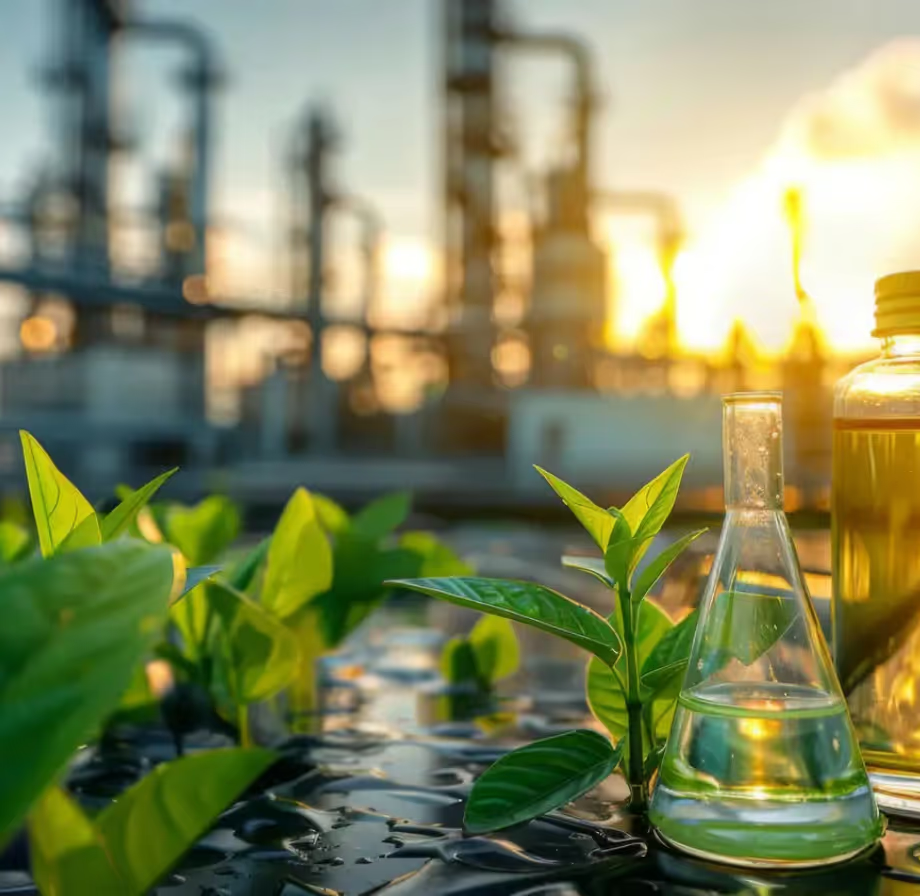
- Bioenergy is a form of renewable energy produced from organic materials such as food waste, agricultural residues, household waste, or by-products from forestry operations. It’s also known as biomass.
- Humans have used bioenergy for thousands of years — traditionally by burning wood for heat — but technological advances now allow us to transform biomass into biofuels, as well as generate heat and electricity through cogeneration.
What is methanation?
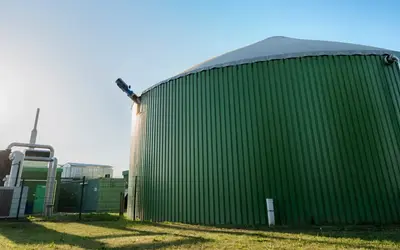
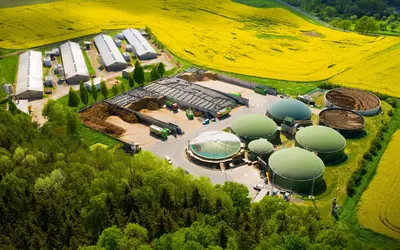
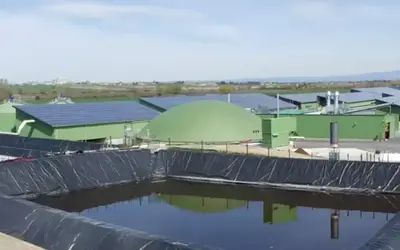
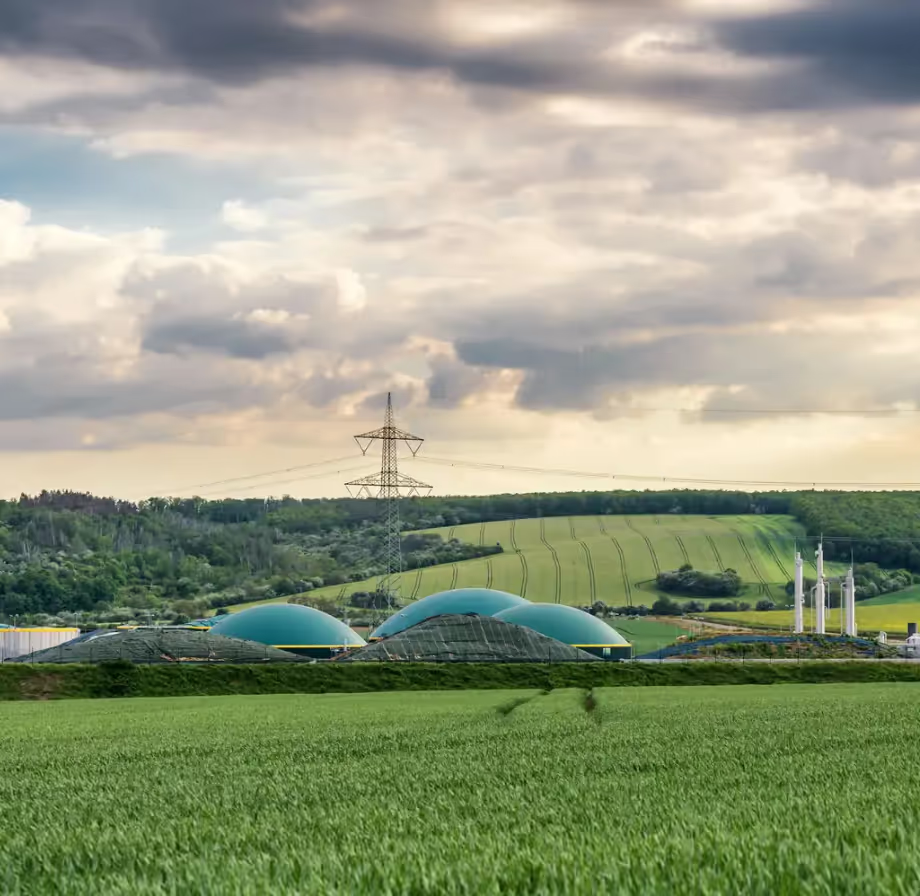
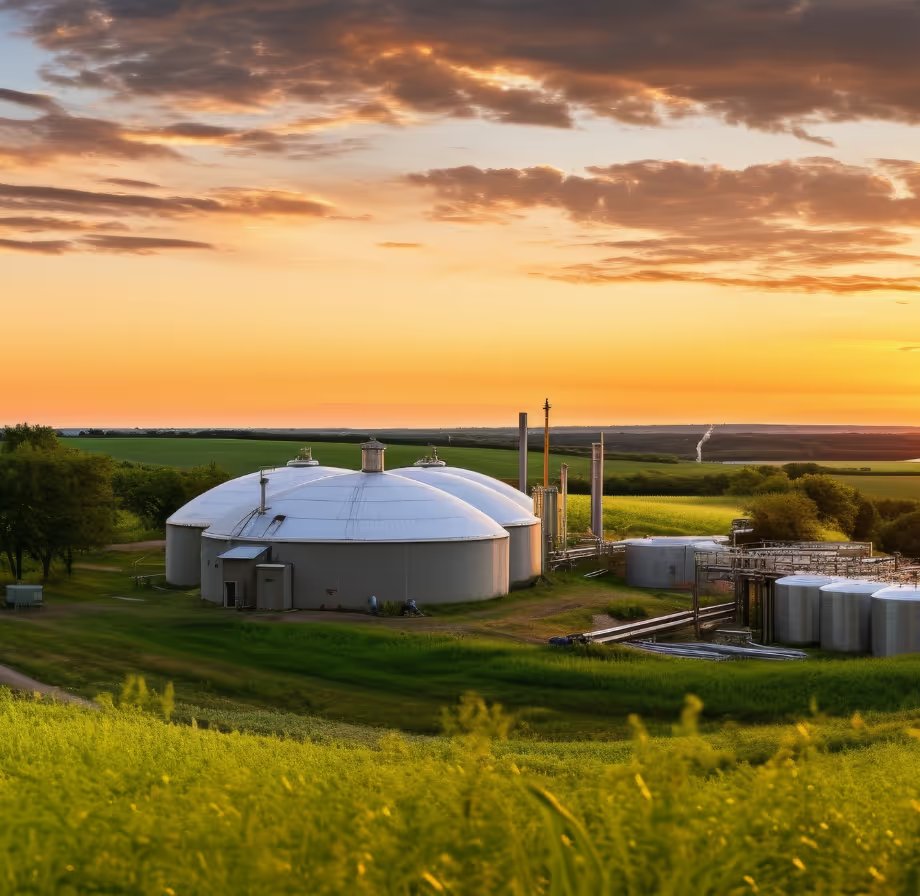
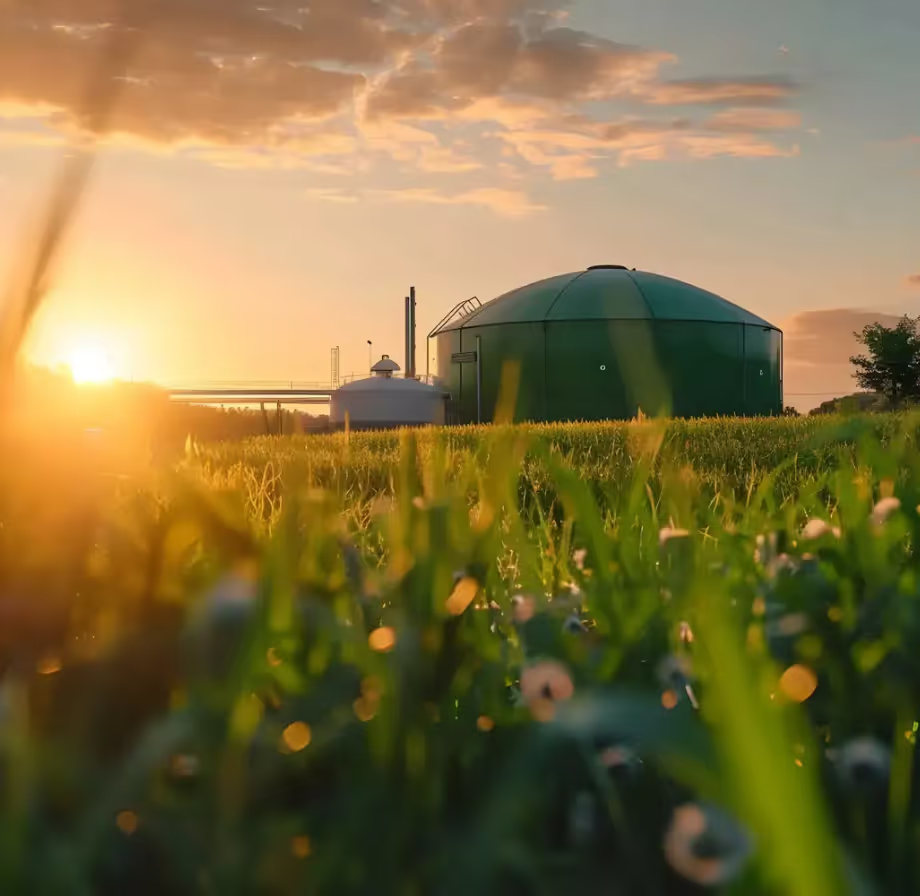
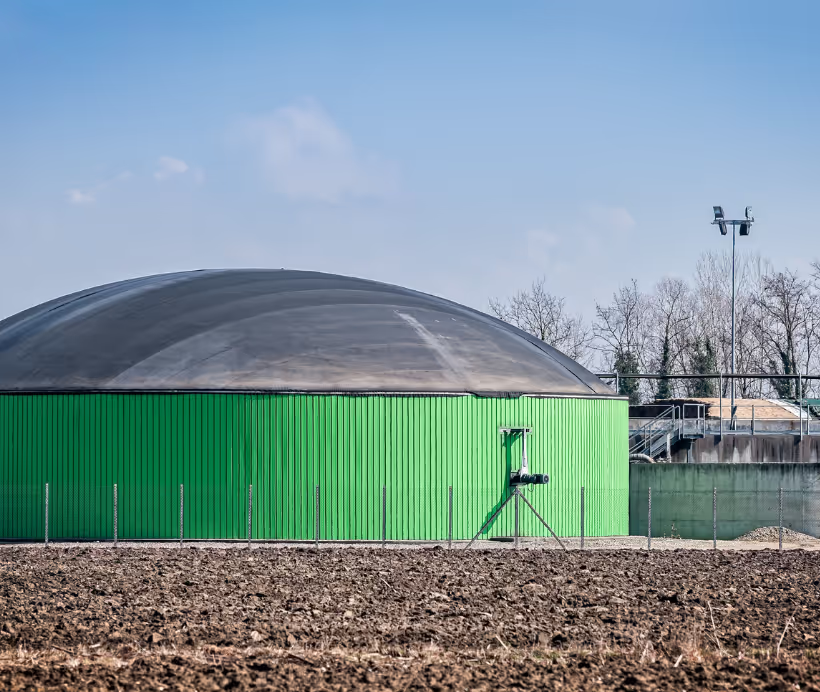
- Methanation (or biomethanation) is a natural biological process that breaks down organic matter in the absence of oxygen, producing biogas — a process also referred to as fermentation. This biogas, mainly composed of methane (called biomethane), can be used to produce electricity, heat, or fuel. The by-product, known as digestate, is used as a natural fertilizer. This transformation cycle, carried out by a methanation unit, is a perfect example of a circular economy that effectively contributes to the energy transition.
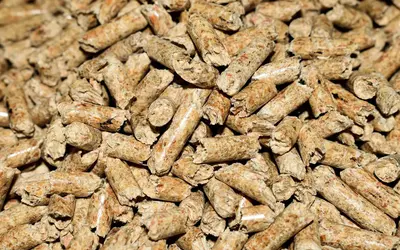
- A second process, combustion, simply consists of burning organic matter (such as wood industry residues or agricultural plant waste) to produce energy.
Bioenergy — a local and circular renewable resource
- The organic materials transformed into bioenergy come from local resources, encouraging short supply chains for waste treatment. Investing in bioenergy means supporting a renewable energy source that enhances local resources, reduces transport-related costs and emissions, and strengthens the circular economy. The continuous flow of organic waste ensures stable production and plays an active role in the energy transition.
A green, carbon-neutral energy
- Bioenergy — particularly biomethanation — has a positive environmental impact by capturing methane released during the decomposition of organic waste and converting it into energy. Since methane is 25 times more potent than CO₂, this process prevents its release into the atmosphere. The by-product (digestate) is then used as a natural fertilizer, helping reduce the use of chemical inputs in agriculture.
A responsible and profitable investment
- In France, bioenergy accounts for 7% of total energy consumption, and in Europe, it represents 60% of renewable energy use (as of 2022). Investing in its development — especially in methanation facilities — means contributing to the energy transition while effectively diversifying your portfolio.
- Bioenergy projects offered as simple bonds provide attractive returns of 6% to 9% per year, combining environmental impact with financial performance. These investments help diversify the energy mix and reduce dependence on fossil fuels.
Invest in bioenergy with Enerfip — your crowdfunding platform
Convinced by bioenergy? Looking to invest in a methanation unit or biogas production project?
Enerfip is here to guide you every step of the way toward a more sustainable investment approach. As Europe’s leading responsible investment platform dedicated to crowdfunding renewable energy projects, we offer high-performing, diversified, and locally connected investment opportunities in the field of biomass.
So, what does this mean in practice?Choosing Enerfip means taking control of your savings — you know exactly where your money goes and how it’s used. This transparency — the clear direction of your investments — is one of our platform’s core values. Through Enerfip, you can support sustainable initiatives that align with your values, contribute to a low-carbon society, and grow your savings responsibly.
To help you invest confidently in bioenergy and ensure it aligns with your financial goals, our Investor Relations team is available to provide any additional information or personalized guidance.

Good to know
In France, biogas production capacity increased by 15% in 2023. Today, there are more than 900 operational facilities across the country.
Frequently Asked Questions
You can also visit our online Help Center for more information.

Bioenergy, or biomass, is produced from organic materials (household, food, plant, or agricultural waste) that are broken down and transformed into various types of energy — such as biofuels, heat, or electricity. There are several transformation processes, with the two main ones being methanation and combustion.
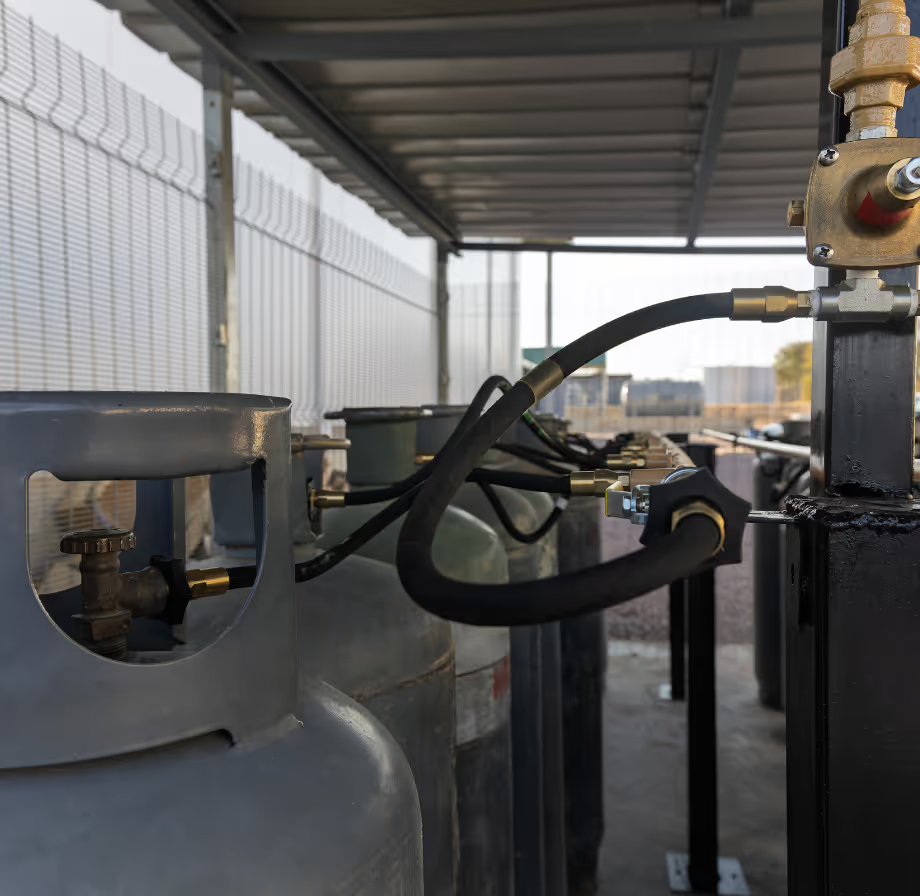
Absolutely. Biogas is a renewable gas produced through the decomposition of organic matter in the absence of oxygen — a process known as anaerobic digestion. It is primarily composed of methane (CH₄) and carbon dioxide (CO₂), and is considered carbon-neutral.
Investing in a methanation project offers strong potential, supported by key global factors such as the energy transition, the need to reduce greenhouse gas (GHG) emissions, and the role of biogas in waste recovery.
In France, the stakes are high — methanation could help achieve the national goal of injecting 10% renewable gas into the grid by 2030.If you want to take part in the energy transition, consider investing not only in bioenergy but also in other sustainable energy sources such as wind and solar power.
Other available technologies
Green innovation investment finances projects and companies developing new technologies in service of the ecological transition. Sustainable mobility, energy efficiency or disruptive solutions: these high-growth-potential projects combine competitive returns with a meaningful, positive impact on the environment and local communities.

Enerfip is a platform approved by the French Financial Markets Authority (AMF) as a European Crowdfunding Service Provider under registration No. FP-20222.

Enerfip is regulated by the Prudential Supervision and Resolution Authority (ACPR).